
The Work Behind a Second Chance
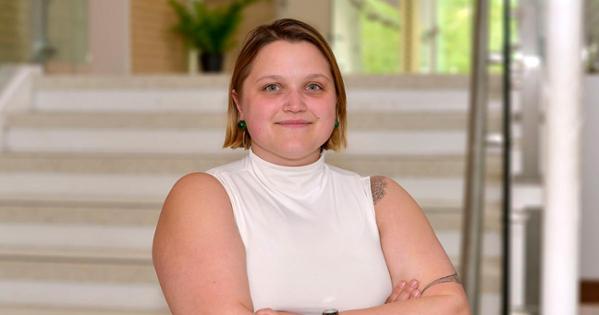
Before graduating, Ella Kruczynska JD ‘26, did something most attorneys never get to do: she watched her client walk free.
After more than 31 years of incarceration, Kruczynska’s client was released following a successful Motion for Reduction of Sentence under the Maryland Second Look Act (MSLA), one of the early petitions filed under the new statute. Working through American University Washington College of Law’s Decarceration and Re-entry Clinic (DREC), directed by Professor Rachel Marblestone Kamins, Kruczynska played a leading role in trial preparation, spending hundreds of hours building the case, preparing witnesses, and working directly with her client in the weeks before the hearings.
Kruczynska describes the work unfolding in three phases: investigation and evidence collection, drafting the petition, and trial preparation. To help see the case through, she remained an additional semester and took on significant responsibility during the final stages of preparation.
Because the MSLA had only passed two months before the petition was filed, much of the work involved studying new law, researching similar statutes, and collaborating with practitioners across Maryland. Trial preparation proved even more intensive. In the weeks leading up to the first hearing, Kruczynska spent more than 40 hours on the phone with her client preparing testimony. She also traveled to Baltimore to observe a similar proceeding, carefully studying arguments and courtroom strategy.
“I genuinely felt like a secret agent on a mission,” she said.
The case also reflected the collaborative model at the heart of AUWCL’s nationally recognized Clinical Program, recently ranked No. 2 in the nation for Clinical Training. Through its 11 in-house clinics, students work closely with faculty while representing underserved clients and handling real litigation, policy, and advocacy matters.
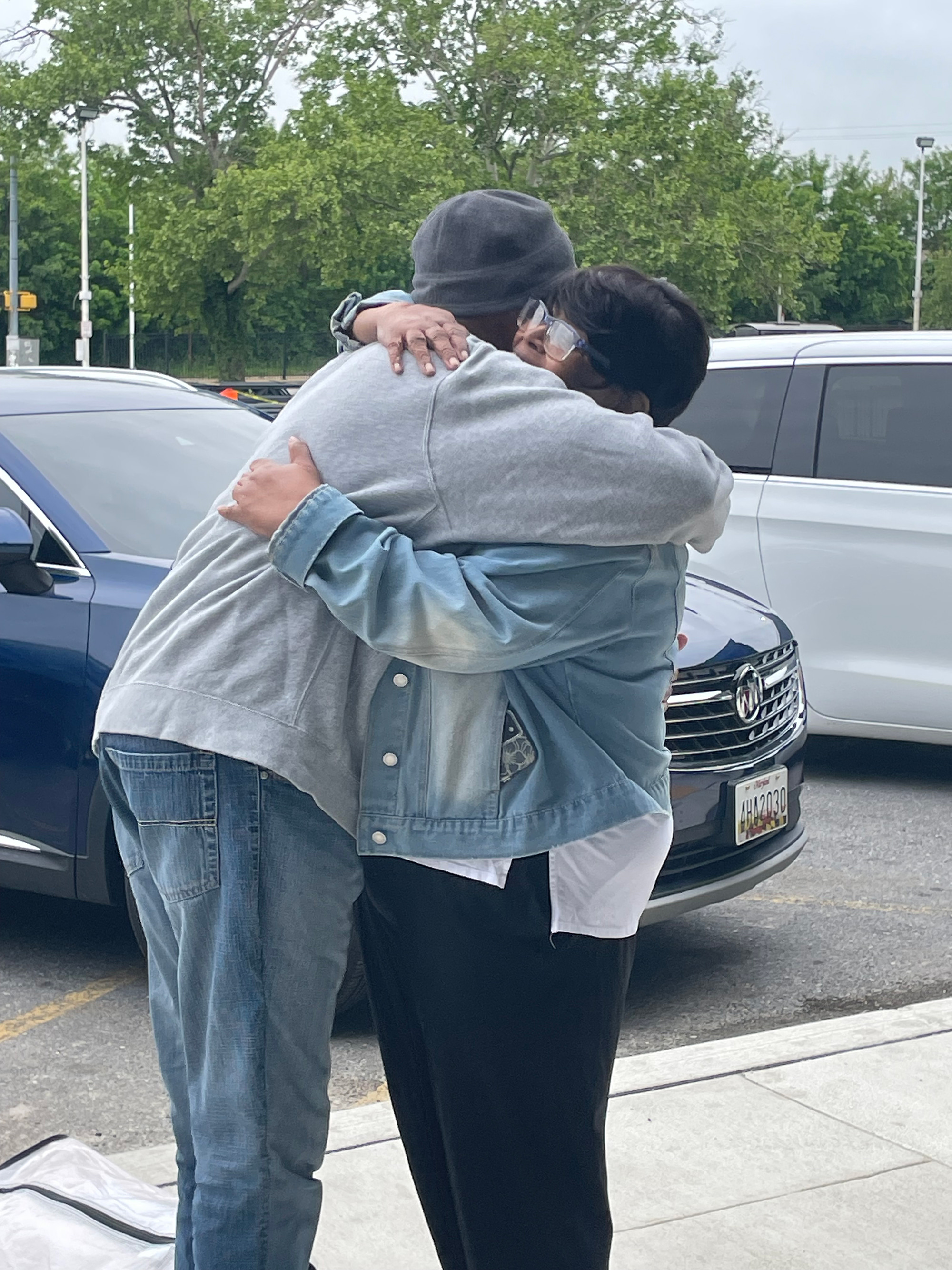
The hearing unfolded across three sessions. Between appearances, Kruczynska reviewed new evidence introduced by the State and continued preparing her client for cross-examination. When the court granted the motion at the final sentencing hearing, she met the family in the courthouse.
“I got to watch him melt into his mom’s arms,” she said. “It’s a moment I will remember for my entire career.”
Kruczynska arrived at AUWCL planning to become a prosecutor. The experience reshaped her perspective.
“This experience created a lot more balance in the way I think about justice,” she said. “If we say we believe in rehabilitation, then we should reward it.”
She is also quick to address a common misconception about decarceration work: that it applies only to people who were wrongfully convicted.
“I’ll say, ‘I freed a man from prison,’ and people immediately respond, ‘Oh, so he was innocent?’” she said. “No, he wasn’t. He pled guilty. But that does not take away from what he did to rehabilitate his life.”
Decarceration work, she explains, focuses not only on who someone was at the time of a crime, but who they became afterward.
The experience left an impact she will carry forward.
“Alleviating, emotional, exhausting, and this fire in my gut that says, ‘The world is going to be okay,’” she said. “Seeing a small piece of justice sneak through the cracks is inspiring and invigorating. It heals a little piece of my heart I didn’t even know needed healing.”
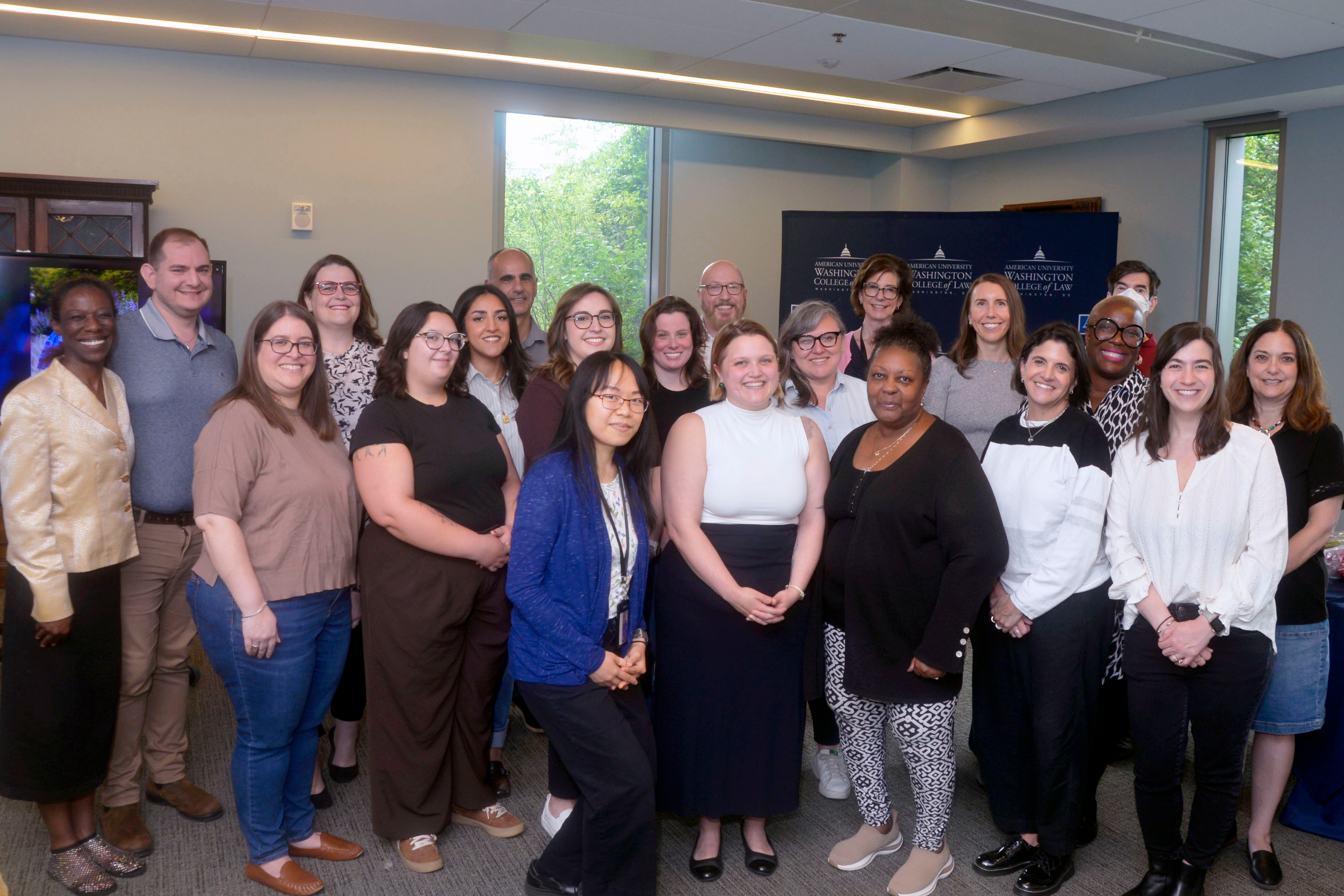
Days before her May 2026 graduation, classmates, faculty, and colleagues gathered to celebrate Kruczynska’s dedication and impact, reflecting the respect she earned through her work in the clinic and across the AUWCL community.