
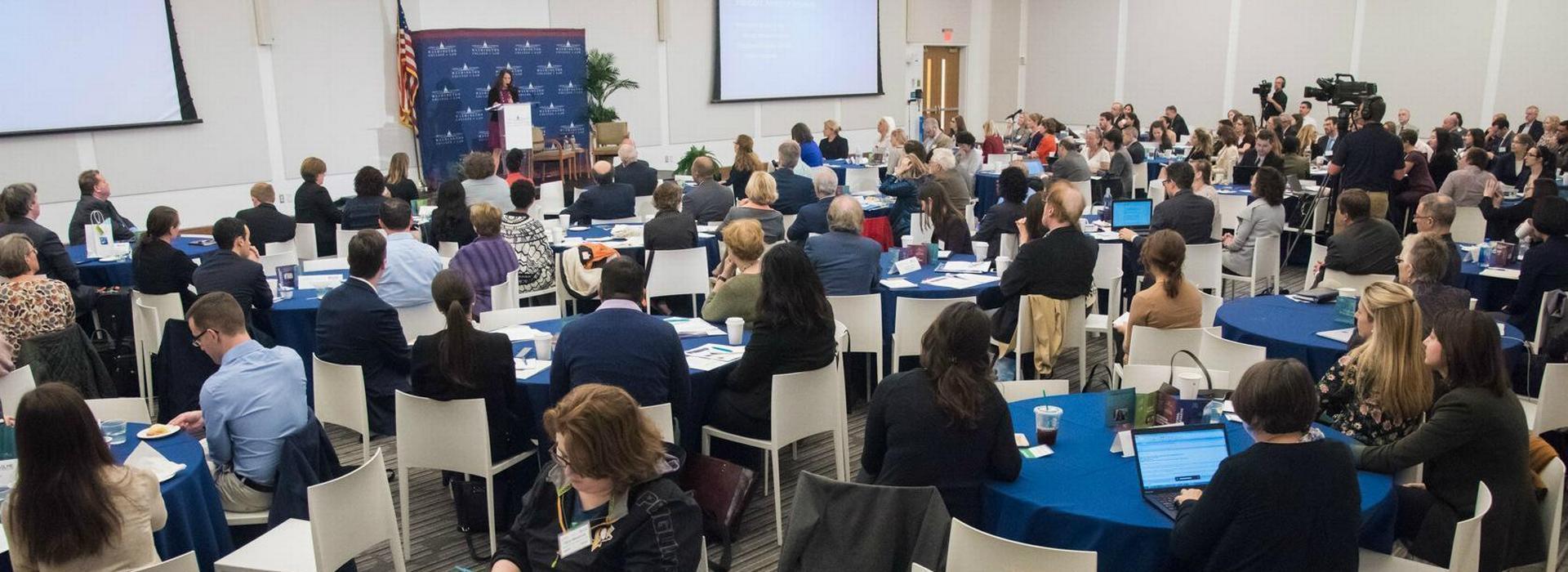
October 3, 2025 | 12:00-5:00 PM ET | Hybrid (AUWCL and Zoom)
Keynote:

Aziza Ahmed, JD, MS
Aziza Ahmed is Professor of Law and N. Neal Pike Scholar at Boston University School of Law. She is the co-founder and co-director of the BU Program on Reproductive Justice. She recently published Risk and Resistance: How Feminists Transformed the Law and Science of AIDS (2025)
Keynote Commentator:

Michele Goodwin, JD, LLM, SJD
Michele Bratcher Goodwin is the Linda D. & Timothy J. O’Neill Professor of Constitutional Law and Global Health Policy and Co-Faculty Director of the O’Neill Institute for National and Global Health Law at Georgetown University. Dr. Goodwin is one of the most cited health law scholars in the world and a highly regarded public intellectual with commentaries appearing in the NY Times, Washington Post, The Atlantic, The Nation, the L.A. Times, Newsweek, Ms. magazine and other publications. She has testified before state and federal legislators on matters of health and reproductive justice. Dr. Goodwin is the author of six books and over 100 articles and commentaries on matters of constitutional law, medicine, reproductive health, and biotechnologies. She has published in the Yale Law Journal, Harvard Law Review, NYU Law Review, Cornell Law Review, Michigan Law Review, and Northwestern Law Review among others. She is the recipient of numerous awards recognizing her humanitarian and civil society advocacy, excellence in scholarship, and work on behalf of women and girls. Most recently, in 2022 she was the recipient of the American Bar Association’s Margaret Brent Award and in 2023 she was honored by the California Women’s Law Center with their prestigious Pursuit of Justice Award. Dr. Goodwin is author of the award-winning book, Policing The Womb: Invisible Women and The Criminalization of Motherhood.
Panel 1: Contesting Authority: Social Movements, Identity, and the Making of Health Law and Policy
Moderator: Lewis Grossman, JD, PhD
Ann Loeb Bronfman Professor of Law, American University Washington College of Law

Sameer Ashar, JD
Sameer Ashar has founded and directed immigrant and workers’ rights clinics at five law schools. He writes about law and social movements, movement lawyering, and legal education and has published most recently in Yale Law Journal Forum, Stanford Law Review, and Clinical Law Review. He was a Distinguished Visitor at the University of Toronto Faculty of Law in January 2025 and is the inaugural recipient of the Stephen Ellmann Memorial Clinical Scholarship Award, given by the AALS Section on Clinical Education.
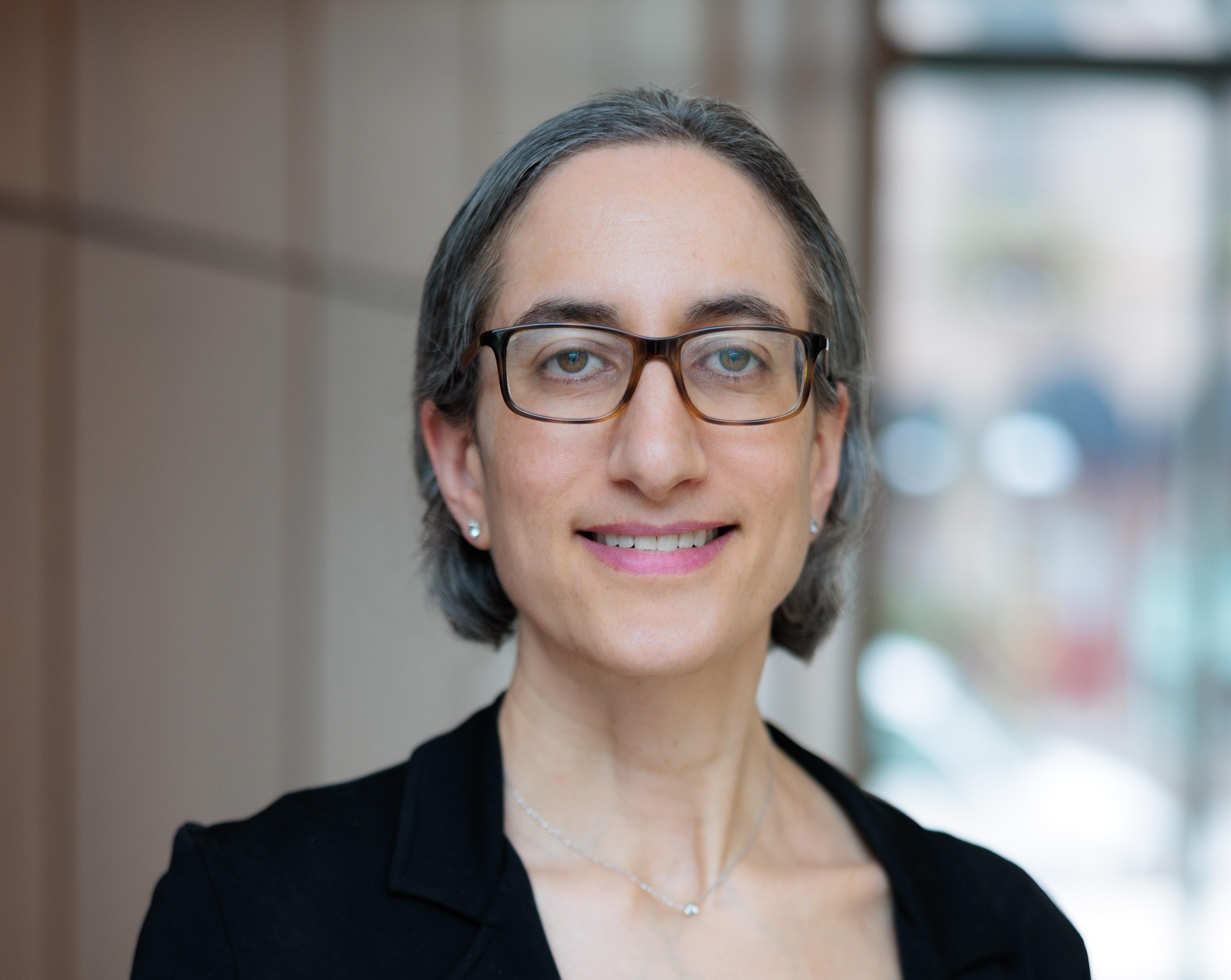
Serena Mayeri, JD, PhD
Serena Mayeri is the Arlin M. Adams Professor of Constitutional Law and Professor of History (by courtesy) at the University of Pennsylvania Carey Law School. Her first book, Reasoning from Race: Feminism, Law, and the Civil Rights Revolution (Harvard University Press), received the Littleton-Griswold Prize from the American Historical Association and the Darlene Clark Hine Award from the Organization of American Historians. Her new book is Marital Privilege: Marriage, Inequality, and the Transformation of American Law (Yale University Press, 2025), a history of challenges to the legal primacy of marriage in the second half of the twentieth century. Other recent projects examine reproductive rights and justice, the role of history in constitutional interpretation, and the weaponization of antidiscrimination law.

Terry McGovern, JD
Terry McGovern is the Senior Associate Dean of Academic and Student Affairs at the CUNY Graduate School of Public Health & Health Policy. Prior to joining CUNY SPH, Terry McGovern was the Harriet and Robert H. Heilbrunn Professor and chair of the Heilbrunn Department of Population and Family Health at the Columbia University Mailman School of Public Health. Prior to joining Columbia in 2002, McGovern served as senior program officer in the Gender, Rights, and Equality Unit of the Ford Foundation, where she oversaw global and domestic programming relating to HIV, gender, LGBT, and human rights. In 1989, McGovern founded the HIV Law Project, where she served as executive director until 1999. While there, she successfully litigated numerous cases against federal, state, and local governments including S.P. v. Sullivan, which forced the Social Security Administration to expand HIV-related disability criteria so that women and low income individuals can qualify for Medicaid and Social Security benefits; and T.N. v. FDA, which eliminated a 1977 FDA guideline banning women of childbearing potential from early phases of clinical trials.
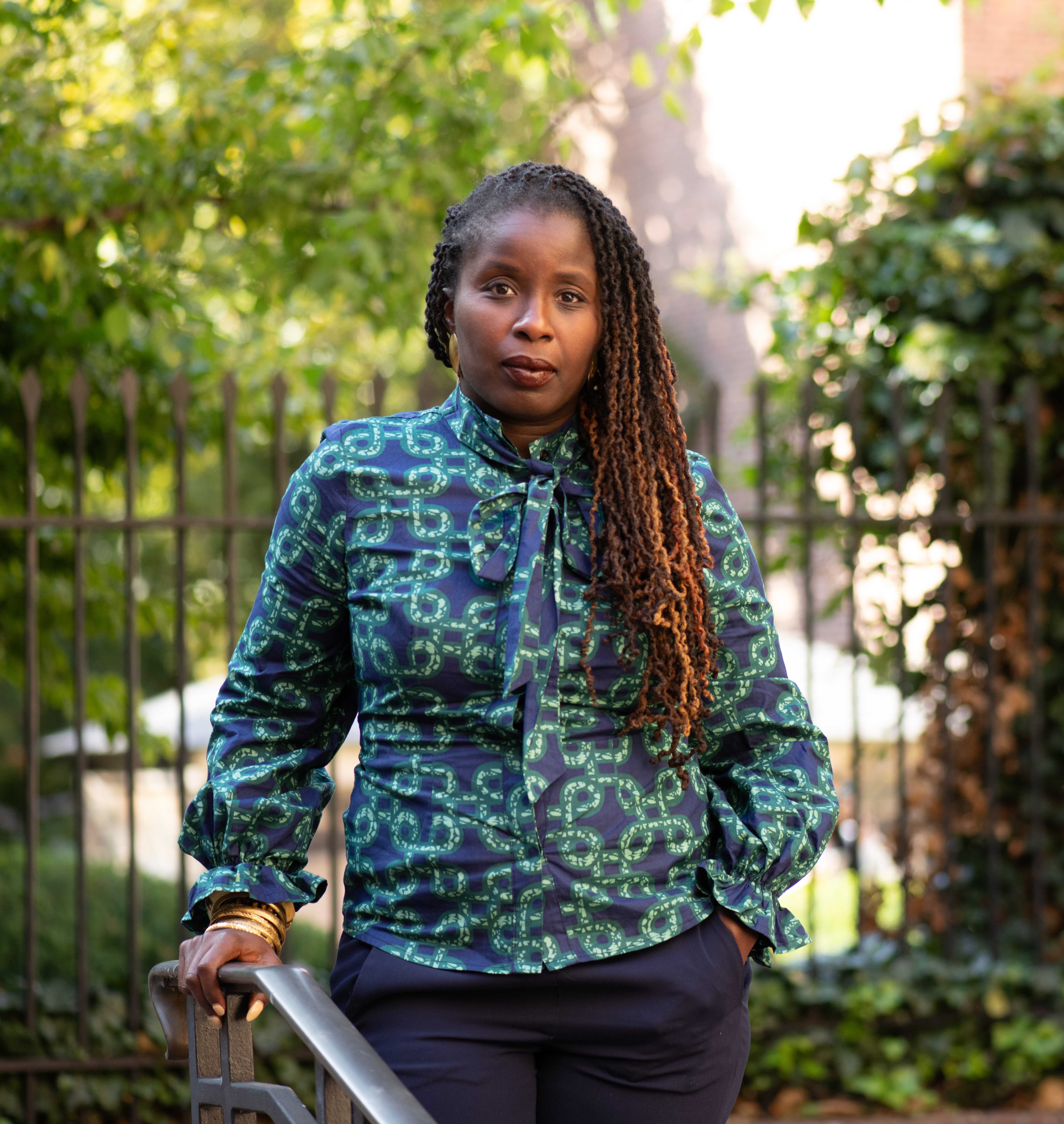
Matiangai Sirleaf, JD, MA
Professor Matiangai Sirleaf is an interdisciplinary international scholar, justice seeker, and award-winning author who has worked to unearth unjust hierarchies embedded in international law and to remedy the inequities that emerge and persist. She is the Nathan Patz Professor of Law at the University of Maryland Francis King Carey School of Law. She holds a secondary appointment as a professor in the Department of Epidemiology and Public Health at the University of Maryland School of Medicine.
Panel 2: Feminist Activism, Feminist Theory, and Public Health
Moderator: Fernanda Nicola, SJD, PhD
Professor of Law
Craig Konnoth, JD
Professor of Law, University of Virginia School of Law

Alice M Miller, JD
Alice M. Miller, JD is a Co-Director of the Global Health Justice Partnership between the Law and Public Health Schools at Yale University, and a Professor in the Practice, YSPH and Adjunct faculty at YSL. Her work critically engages with the theory and practice of rights claims around gender, sexuality, and reproduction in the context of health and law, including a focus on criminal, human rights and humanitarian law as well as municipal and transnational legal rights frameworks. Her experience encompasses scholarship and teaching at Yale University, UC Berkeley, and Columbia University, as well as three decades of advocacy, training and collaborative work with NGOs and community groups in the US and globally, as well as work at UN and other inter-governmental agencies, as well at the intersection of public/private law regimes in the world of sports/gender regulation, and human rights. Her current work includes developing a theory/practice project she has termed ‘gender 360’ in order to build links between disparate gender/rights advocacy at all levels, informed by experiences supporting on-going work in New Haven as part of efforts to create and deploy research in service of re-directing resources to local communities, especially those marginalized on account of gender, race, place or sexuality.

Seema Mohapatra, JD, MPH
Seema Mohapatra holds the MD Anderson Foundation Endowed Professorship in Health Law at SMU Dedman School of Law. Upon graduation from law school, she practiced transactional health law and compliance at two large firms in Chicago, Sidley & Austin and Foley & Lardner. Professor Mohapatra has years of experience as a tenured professor at several institutions. Mohapatra’s research centers around health care equity, the intersection of biosciences and the law, assisted reproduction and surrogacy, reproductive justice, and public health law. Professor Mohapatra is the co-editor of “Feminist Judgments: Health Law Rewritten” (with Lindsay F. Wiley) (forthcoming 2022, Cambridge University Press). She is also a co-author of the third edition of the textbook “Reproductive Technologies and the Law” (with Judith Daar, I. Glenn Cohen, and Sonia Suter) (Carolina Academic Press). She serves on the Board of Directors of American Society of Law, Medicine, and Ethics and the Ethics Advisory Committee at the UNMC Global Center for Health Security. She also co-chairs the Health Justice: Engaging Critical Perspectives in Health Law and Policy Initiative.
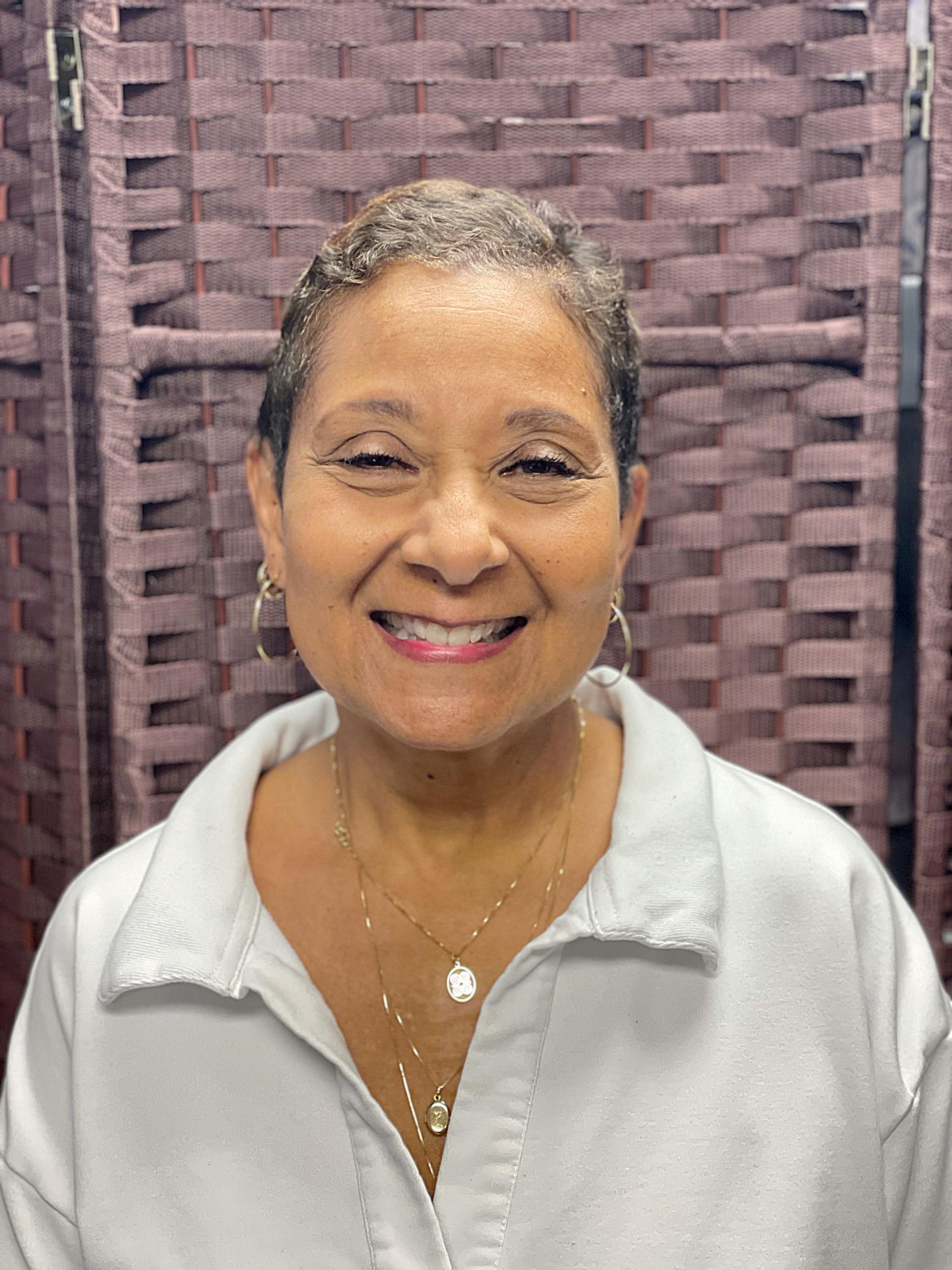
Valerie Rochester, MPA
Valerie has over two decades of experience as a public health strategist, providing programmatic, administrative, and technical support services in the public health and health philanthropy fields. In May 2025, Valerie became Executive Director of The Women’s Collective in Washington, DC, where she leads the efforts to serve women affected by HIV. Before that, she was most recently Chief Health Equity & Impact Officer with CHC: Creating Healthier Communities - a nationwide nonprofit where she provided strategic direction for the organization’s health equity, social impact and community engagement focus, as well as development of culturally humble and responsive program initiatives. Through this inaugural position, she established the organization’s Health Equity & Impact Department, and a range of community-driven program initiatives. Valerie has previously served as Chief Program Officer at AIDS United, a national HIV advocacy, policy and grantmaking organization in Washington, DC, guiding the organization’s program, capacity building and grantmaking portfolios, directing resources to communities most affected by the domestic HIV epidemic. She has also been Director of Programs & Training with the Black Women’s Health Imperative, leading the national programmatic responses to address racially and gender-based health inequities. Valerie lives by one of her favorite quotes - “Service is the rent we pay for our space on this earth.” Her work centers on engaging with communities to help bring about improved health outcomes locally and nationally. She serves on the boards of national and community-based organizations, including NMAC (formerly National Minority AIDS Council), and Mayday Health. Because of her commitment to addressing health inequities in communities of color, Valerie is a past recipient of the Congressional Black Caucus Healthcare Hero Award.
Philomila Tsoukala, SJD, MA, LLB
Professor of Law, Georgetown Law