Clinical Program

Current Practitioners-in-Residence

The Clinical Program currently employs nine Practitioners-in-Residence, who represent a wide variety of subject matter expertise and types of practice experience. Our students benefit from being mentored by Practitioners who have recently been engaged in practice outside the academic setting. Our Practitioners pass along their skills and values to our students by modeling good habits, encouraging students to find their passion and potential, emphasizing the importance of creativity and collaboration, and cultivating a public service ethic in the next generation of attorneys.

JESSICA HARRIS

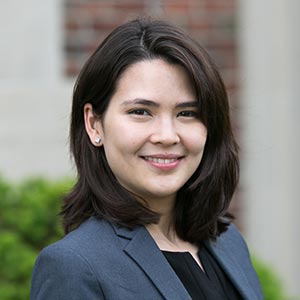
Tamar Alexanian

Tamar Alexanian is a Practitioner-in-Residence with the Elliott Milstein Civil Advocacy Clinic. In the Civil Advocacy Clinic (CAC), Professor Alexanian supervises students in civil cases involving survivors of intimate partner violence (IPV) as well as name and gender marker changes for members of the LGBTQIA+ community. Prior to joining the CAC, Professor Alexanian was a staff attorney at the Youth Law Center where she focused on ensuring that system-involved youth had access to their voting rights. Professor Alexanian began her legal career as a Skadden Fellow at the Children’s Law Center of California where she focused on representing LGBTQ+ foster youth to access gender affirming care, legal and non-legal resources, and name and gender marker changes. In law school, she was a student attorney at three clinics at the University of Michigan and one clinic at the University of Cape Town in South Africa. Professor Alexanian holds a J.D. from the University of Michigan Law School and a B.A. in Gender Studies and English from Vanderbilt University. She is a member of the California bar.
Full Faculty Profile

JESSICA HARRIS

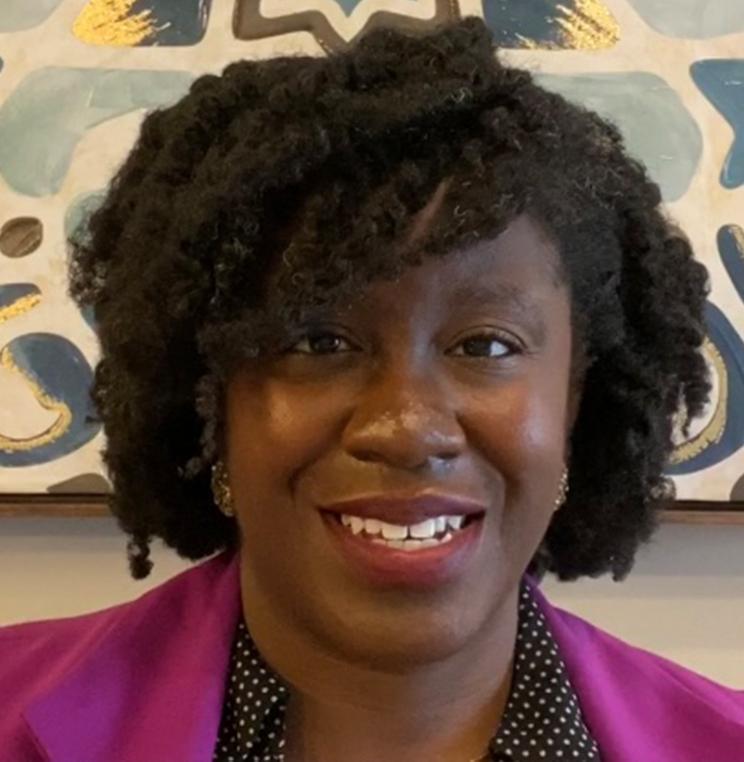
Jessica Harris

Jessica Harris is the Practitioner-in-Residence of the Janet R. Spragens Federal Tax Clinic. Prior to joining American University, Professor Harris was the Director of the Low Income Taxpayer Clinic with Legal Services of Northern Virginia. While as a Director, she represented low-income taxpayers with their tax disputes with the IRS and the State of Virginia. Professor Harris also provided educational presentations and resources to the surrounding communities on relevant tax issues, tax rights and tax benefits. While at Legal Services of Northern Virginia, Professor Harris also practiced in family, landlord/tenant, consumer, bankruptcy, and unemployment law. As a staff attorney, she represented clients in circuit court, district court, federal court, and administrative hearings and provided educational presentations on multiple areas of law. Professor Harris received her J.D. from Charleston School of Law and her B.S. from North Carolina A&T State University.

Full Faculty Profile

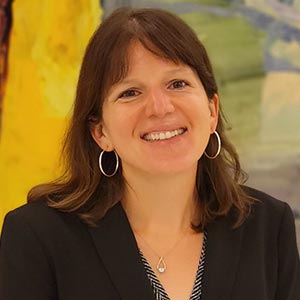
Erin Canino
Erin Canino

Erin Canino

Professor Erin Canino brings a rare blend of transactional law experience and international human rights advocacy to the Entrepreneurship Law Clinic. A graduate of UC Davis School of Law (Order of the Coif), Professor Canino practiced for several years in both Big Law and boutique firms in San Francisco. At Folger Levin she advised a wide range of business and nonprofit clients on labor and employment law, corporate governance, and contract negotiation. While at Goodwin Procter she worked on venture financings, M&A, and public offerings for tech companies. Most recently, she served as a Legal Fellow with International Justice Mission (IJM) in the Philippines, where she assisted with human trafficking prosecutions, conducted high-level legal research, and led trainings for prosecutors and law enforcement.

Professor Canino has a strong commitment to working at the intersection of business and public service. Additionally, she has published scholarly work in the UC Davis Law Review and has a forthcoming publication in the Ateneo Law Journal.

Full Faculty Profile

Charles Ross

Charles Ross

Charles Ross is the Practitioner-in-Residence in the Community Economic and Equity Development Clinic, a clinic representing businesses, workers' cooperatives, housing cooperatives, and nonprofit organizations in the District of Columbia and Maryland. Professor Ross’ areas of expertise and scholarly interests include housing law, child welfare law, and small business law.

Professor Ross is a community lawyer who formed his law firm, Charles Ross Law, PLLC in March 2022. Prior to joining WCL, Professor Ross practiced in Los Angeles, California as at Public Counsel and in the District of Columbia at Children’s Law Center. As a member Public Counsel’s Homelessness Prevention Project, he represented clients facing eviction and tenant’s unions in East Los Angeles, Compton, and Inglewood. He hosted Know Your Rights workshops, informing communities of their rights under California’s COVID-19 tenant protections. Professor Ross represented children and families in child welfare proceedings while working at Children’s Law Center. During his time at CLC, he served as a Guardian ad litem attorney, representing children in abuse and neglect, guardianship, and adoption matters. Charles is a founding member of the Brown Bag Project, a community-based organization that supports people experiencing homelessness.

Full Faculty Profile

Drake Hagner
Drake Hagner

Drake Hagner

Drake Hagner is a Practitioner-in-Residence in the Gender Justice Clinic at American University Washington College of Law, where she co-teaches the clinic seminar and supervises students handling civil legal matters including health law, public benefits, and family law.

Previously, she served as Visiting Associate Professor of Clinical Law and Director of the Health Rights Law Clinic at George Washington University Law School, partnering with a community mental health provider to address patients’ unmet civil legal needs.

An expert in Medicaid and safety-net public benefits programs such as unemployment insurance, Supplemental Security Income (SSI), and Supplemental Nutrition Assistance Program (SNAP), Drake’s research focuses on procedural due process and the disconnect between legal protections and beneficiaries’ real-world experiences.

Drake has fifteen years’ experience representing low-income clients. She was a Supervising Attorney in the Public Benefits Unit at Legal Aid DC where she began her legal services career as an Equal Justice Works fellow. She previously taught Legal Ethics at AUWCL.

She is a graduate of Vassar College and Georgetown Law.

Full Faculty Profile

Chloe Sugino

Chloe Sugino Souffront

Chloe Sugino is a Practitioner-in-Residence with the Immigrant Justice Clinic (IJC), where students represent clients in a wide variety of immigration matters and advocate for transformative change within the immigration legal system in the U.S. Prior to joining WCL, Professor Sugino represented refugees and asylum seekers as a staff attorney at HIAS. Professor Sugino began her career as an Immigrant Justice Fellow and then, Senior Attorney at the Amica Center for Immigrant Rights. There, she was part of a cohort that provided universal representation to Maryland residents in immigration detention. Professor Sugino represented clients in complex immigration matters, focusing on the consequences of criminal convictions in immigration cases. Professor Sugino holds a J.D. from Boston University School of Law and a B.A. in International Affairs from Marquette University in Wisconsin. She is a member of the Massachusetts Bar.

Full Faculty Profile

Caroline Wick

Caroline Wick

Caroline Wick is a Practitioner-In-Residence and the Acting Director of the Disability Rights Law Clinic. She teaches the clinic seminar and supervises students’ representation of clients in matters implicating disability rights, including special education, access to Medicaid services, and decision-making matters. Before re-joining AUWCL, she was the Director of the Health Law Clinic at Villanova University Charles Widger School of Law where she taught and supervised students’ representation of clients in Medicaid appeals. Previously, she taught in the AUWCL Disability Rights Law Clinic for three years and taught Legal Ethics. Her scholarship is informed by her case work. Before becoming a clinician, Professor Wick was a senior attorney with Children’s Law Center (CLC) in Washington, D.C. She worked in CLC’s medical-legal partnership and was the lead on-site attorney at a community-based medical center. She represented parents and children in the areas of special education, housing conditions, public benefits, and access to healthcare, and she trained and mentored pro bono attorneys. Professor Wick also clerked for a Family Magistrate Judge in the Baltimore City Circuit Court. Professor Wick is a member of the Maryland, Virginia, Pennsylvania, and Washington, D.C., Bars. She is a graduate of Tulane Law School and Tulane School of Public Health and Tropical Medicine. She received the 2015 Brian P. McSherry Award from the law school for showing the greatest dedication to the pro bono program.

Full Faculty Profile

Rachel Kamins
Rachel Kamins

Rachel Kamins

Professor Kamins has practiced criminal law for more than three decades. She began her career in the Maryland Office of the Attorney General representing the State in the Appellate and Supreme Courts, the United States District Court for the District of Maryland, the Fourth Circuit Court of Appeals, and the United States Supreme Court. She spent the next 15 years in private practice focusing on all matters of post-trial litigation including appeals, sentence modifications, parole, and post-conviction proceedings. Prior to joining WCL, Professor Kamins worked in the Appellate Division of the Maryland Office of the Public Defender, representing criminal defendants in state court appeals in both the Appellate and Supreme Courts. She was also active in the Maryland General Assembly, drafting and testifying in support of criminal justice reform legislation.

Full Faculty Profile

Andrew Treske
Andrew Treske

Andrew Treske

Andrew Treske is a Practitioner-in-Residence with the Criminal Justice Clinic. Prior to joining the Criminal Justice Clinic, Andrew was an Assistant Public Defender in Montgomery County, Maryland, where he represented indigent clients charged with felonies and misdemeanors and advised them throughout the stages of their criminal cases. Andrew began his legal career as a judicial law clerk in the United States District Court for the Middle District of North Carolina. Andrew received his J.D. from American University Washington College of Law and his B.A. in History from the University of North Carolina - Chapel Hill. In law school, Andrew was a student-attorney in the Criminal Justice Clinic. He is a member of the Maryland and D.C. Bars.

Full Faculty Profile

Matthew Williams
Matthew Williams

Matthew Williams

Matthew Williams is a Practitioner-in-Residence in the Glushko-Samuelson Intellectual Property Law Clinic. Prior to joining American University Washington College of Law’s faculty, Matthew was a partner in the Washington, DC office of an LA-based law firm. His primary practice included representing trade associations of large copyright owners and litigating cases for their member companies, songwriters, directors, production companies, authors, screenwriters, recording artists, and producers. Billboard Magazine named Matthew a “Top Music Lawyer.”
In addition to his law firm experience, Matthew has served as the Co-Chair of the DC Chapter of the Copyright Society of the USA, the Participation Coordinator for the ICANN Intellectual Property Constituency, and an Adjunct Professor at the Antonin Scalia Law School at George Mason University. He is a member of the Copyright Alliance Academic Advisory Board, the Recording Academy, the Order of the Coif, and the District of Columbia and New York bars. Matthew is a magna cum laude graduate of the American University Washington College of Law. He is a Master of Fine Arts candidate in the Bennington College Writing Seminars. He completed the Fashion Law Bootcamp at Fordham’s Fashion Law Institute. Matthew’s scholarship has focused on copyright’s fair use doctrine, free speech, philosophical approaches to exclusive rights, the Digital Millennium Copyright Act, and moral rights.

Full Faculty Profile