
OAS Member States Explore Legal Action on Taliban Abuses Against Afghan Women
On September 11, 2025, the Academy on Human Rights at American University Washington College of Law hosted a private working session on its Washington, D.C., campus with Permanent Missions to the Organization of American States (OAS). The discussion focused on potential litigation before the International Court of Justice (ICJ) to hold the Taliban regime accountable under the Convention on the Elimination of All Forms of Discrimination Against Women (CEDAW), which Afghanistan ratified in 2003. The proposed case—initiated by Canada, Australia, Germany, and the Netherlands—would mark the first time a State Party has sought to bring another before the ICJ for violations of CEDAW.

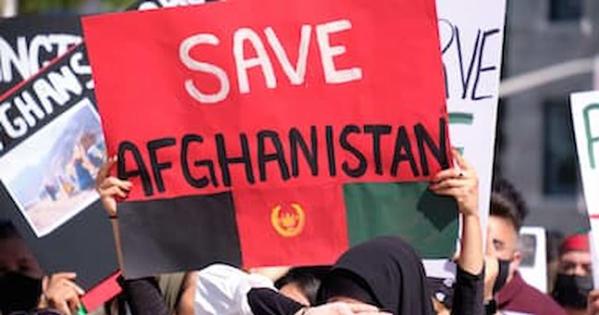
Since the Taliban’s return to power in August 2021, Afghan women and girls have faced sweeping restrictions on education, employment, public life, and even basic healthcare. Women are barred from seeing male doctors without a male guardian, leaving many without critical medical care during emergencies. Participants described these measures as a system of “gender apartheid” that has cost lives, particularly during recent natural disasters such as the devastating earthquake in Afghanistan.

Regional Engagement and Precedent
The session offered OAS Member States a forum to learn more about the initiative and to explore avenues for regional engagement. Broader participation from countries of the Americas could prove pivotal in strengthening the case. Several participants highlighted past support from the region: for example, on September 26, 2024, Honduras and Chile joined a joint statement condemning the Taliban’s gross and systematic human rights violations, particularly the gender-based discrimination against women and girls.
Voices from Civil Society
Representatives of Rawadari, an Afghan civil society organization actively engaged in the effort, shared testimony from Afghan women who had endured abduction, imprisonment, and torture under Taliban rule. Many of these women were denied access to legal counsel or contact with their families. Despite the dangers, underground networks continue to provide informal legal aid and education, reflecting the resilience of local resistance.
Key Themes Highlighted
- Systematic Discrimination: Taliban restrictions were described as a deliberate policy of gender apartheid, denying women education, employment, freedom of movement, and adequate medical care.
- Impact of Natural Disasters: The recent earthquake response underscored how bans on female aid workers have cost lives and hampered emergency relief.
- Documentation and Accountability: Afghan activists urged meticulous evidence-gathering to support international legal action.
- Civil Society’s Role: Local organizations remain critical in mobilizing global awareness and pressuring governments to act.
- Broken Promises: Participants condemned the Taliban’s repeated claims that girls’ schools would reopen—nearly four years later, no plan has materialized.

Support and Solidarity
Delegates from Chile, Uruguay, Bolivia, Brazil, and Paraguay attended the session and expressed solidarity with Afghan women. Some noted that the ICJ has already issued measures against certain Taliban leaders, signaling that further legal action could strengthen global advocacy for Afghan women and girls.
We extend our deep gratitude to our Co-Director, Professor Claudia Martin, for building bridges between our hemisphere and the situation in Afghanistan, ensuring the Americas’ stronger involvement in this issue. We also acknowledge the invaluable support of the Permanent Mission of Chile to the OAS for co-sponsoring this event, in particular Alexandro Álvarez Alarcón, Human Rights Attaché.
The Academy expressed pride in welcoming Afghan students to its Human Rights LL.M. program and reaffirmed its commitment to providing a platform for urgent human rights discussions. It also underscored its hope that this session offered countries across the Americas a clearer understanding of the gravity of the crisis in Afghanistan and inspired more governments to join efforts to hold the Taliban regime accountable for its blatant violations of CEDAW obligations.