
Assessment of the Human Rights Situation in Colombia – A Conversation with Alberto Yepes
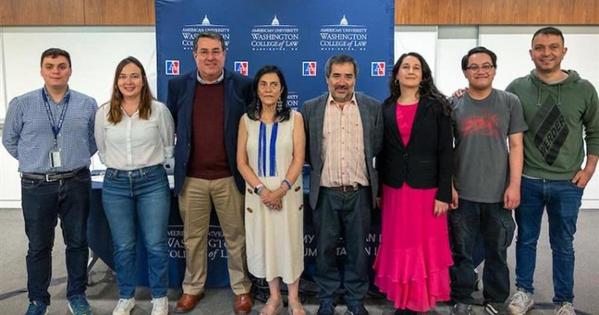
Washington, D.C., October 7, 2025. The Academy on Human Rights and Humanitarian Law at the American University Washington College of Law, Colombian Human Rights Network (CHRN), Amazon Watch, Colombia Human Rights Committee, and the Colombia Human Rights Network co-hosted an in-depth conversation titled “Assessment of the Human Rights Situation in Colombia” with Alberto Yepes, Colombian human rights defender, researcher, and coordinator of the Observatory for Human Rights and International Humanitarian Law of the CCEEU.
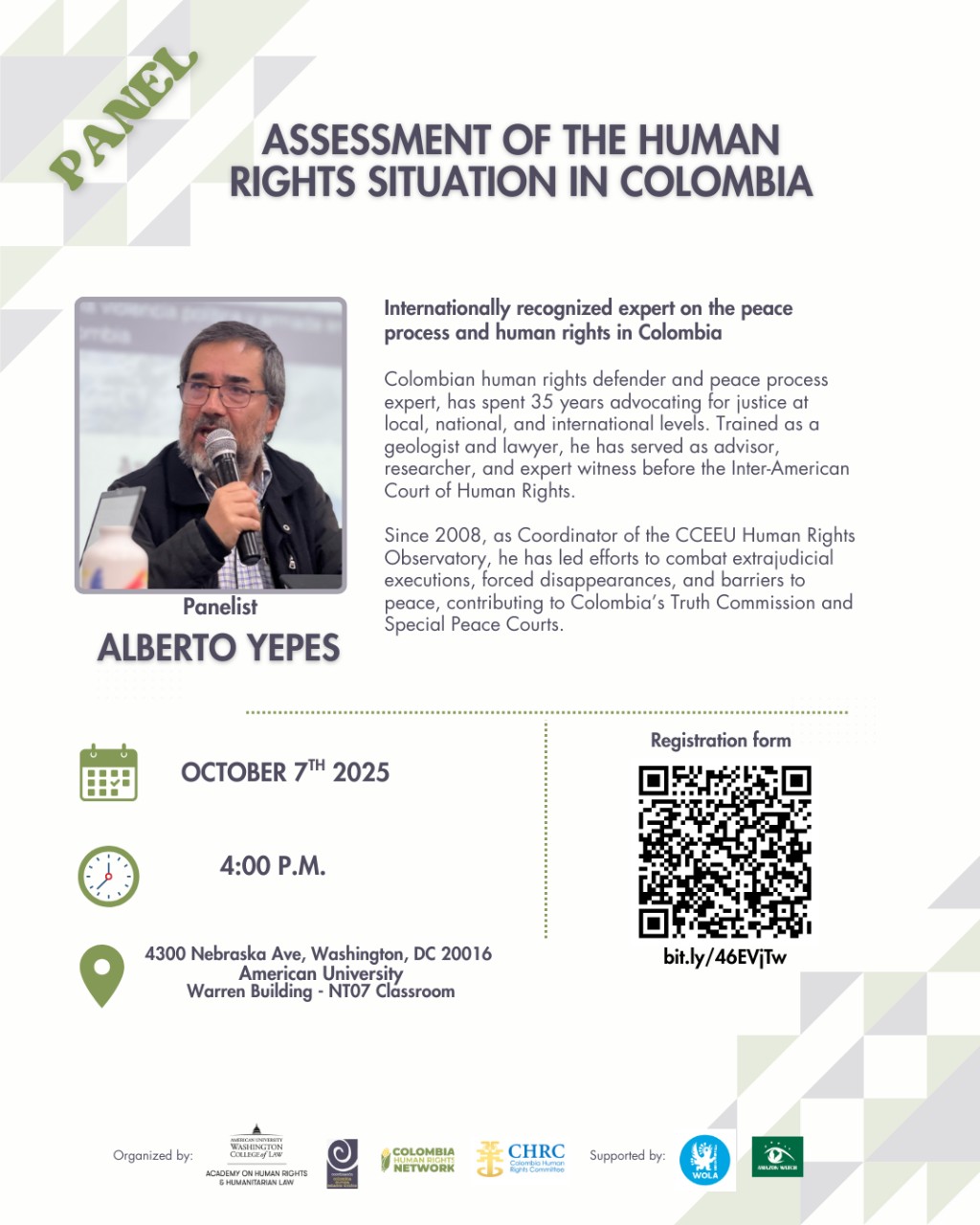
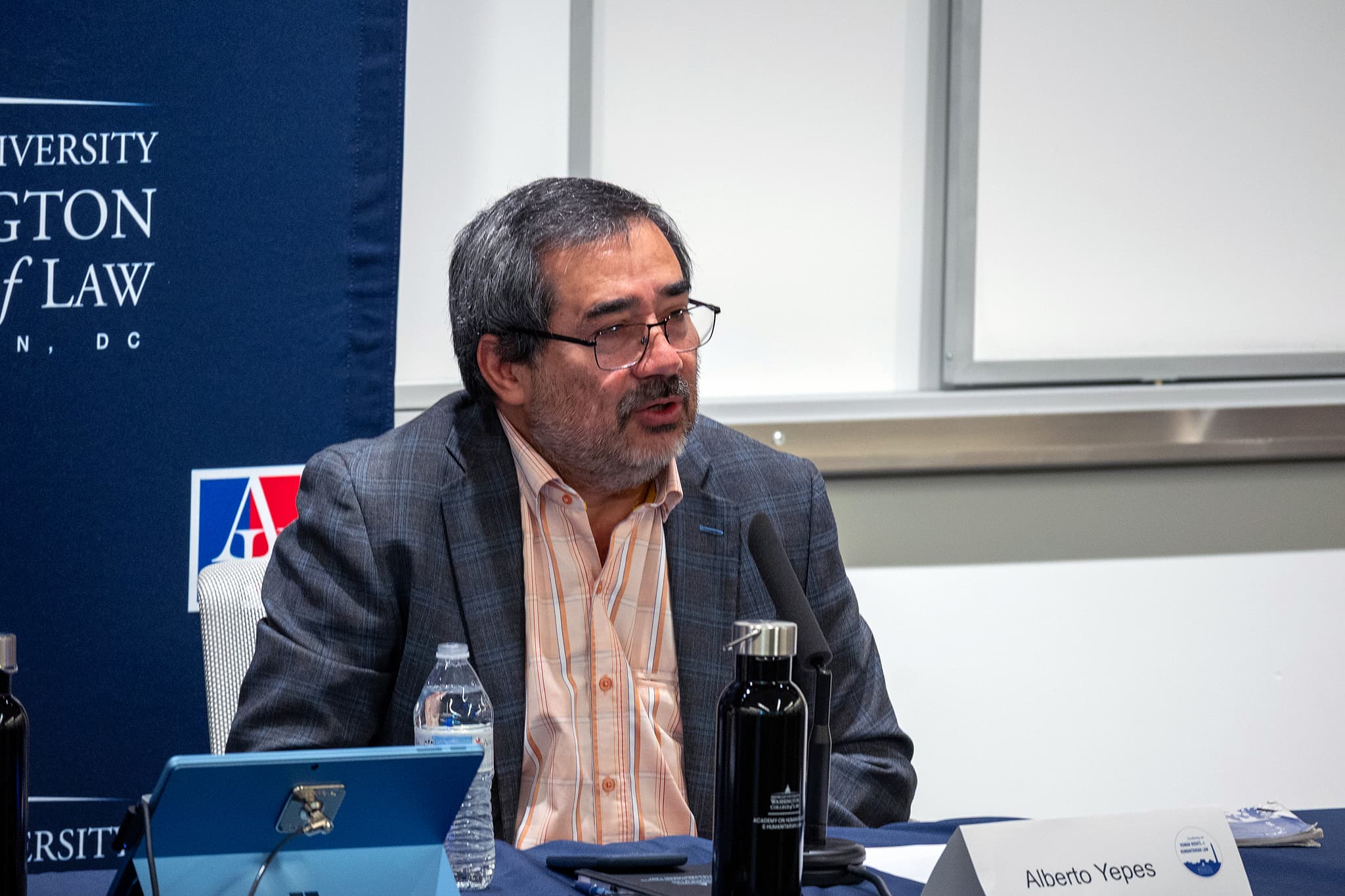
With more than three decades of experience in human rights advocacy, Mr. Yepes has played a central role in documenting violations of international human rights and humanitarian law in Colombia. During the event, he analyzed the progress and challenges in implementing the 2016 Peace Accord, the impact of inequality in rural regions, and the ongoing risks faced by social leaders and defenders of human rights.
Mr. Yepes also discussed the current state of Colombia’s peace process three years into the current administration, emphasizing the need for structural reforms to strengthen democracy and ensure access to justice. He reflected on the complex dynamics between U.S. foreign policy, drug eradication efforts, and their impact on Colombia’s most vulnerable populations.
The event brought together students, scholars, and members of the human rights community in Washington, D.C., who actively participated in a lively Q&A session exploring pathways to sustainable peace and accountability in Colombia.
Andrew Miller, Advocacy Director at Amazon Watch, highlighted the deep interconnection between environmental destruction and human rights violations in Colombia. He emphasized that extractive projects—particularly in the Amazon and Afro-Indigenous territories—continue to fuel displacement, violence, and ecological degradation. Miller underscored the urgent need for the Colombian government and international partners to adopt a rights-based approach to environmental protection, ensuring that affected communities are meaningfully included in decision-making processes and that corporate and state actors are held accountable for environmental harm.
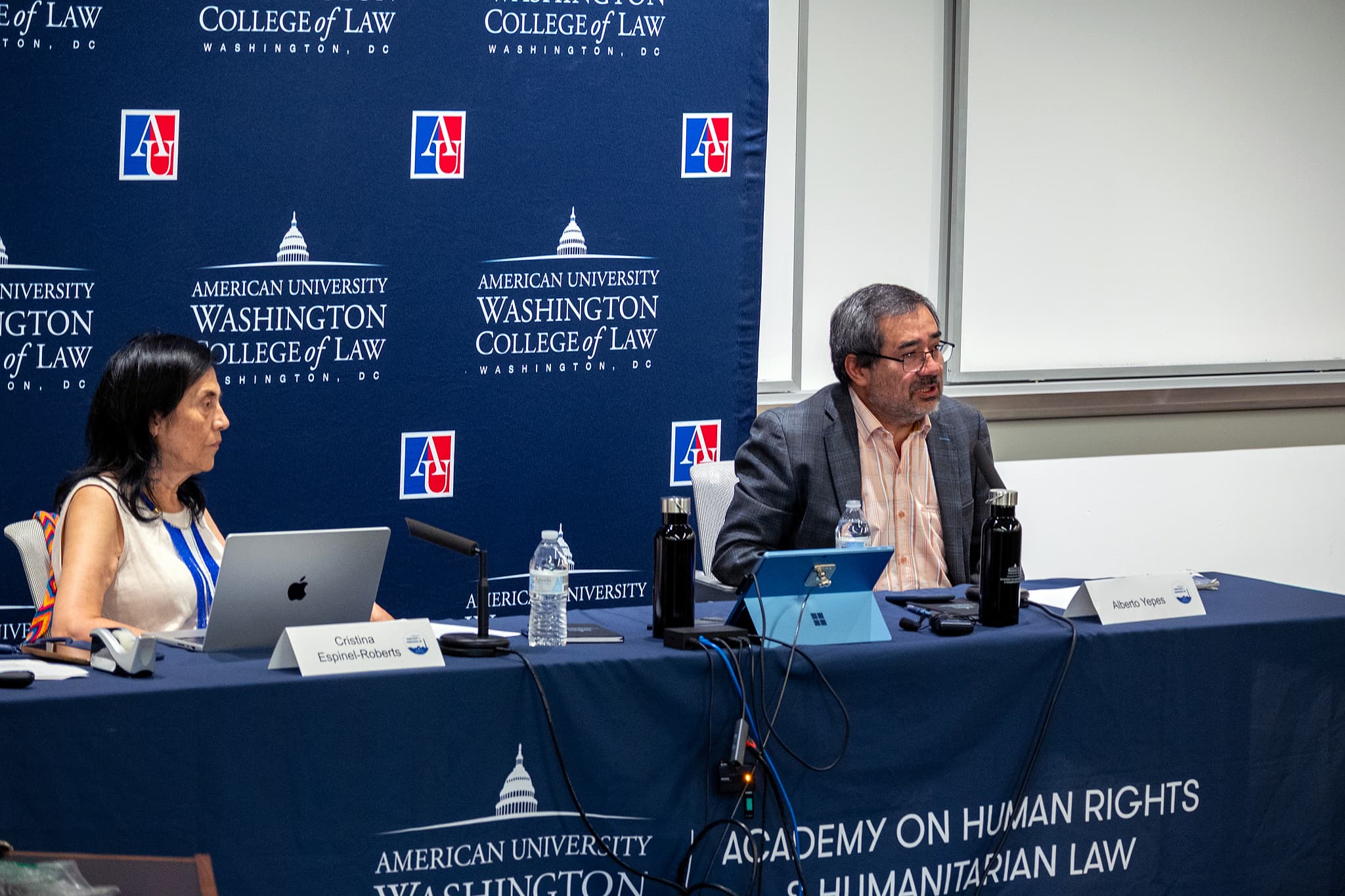
The Academy and the CHRN expressed their commitment to continuing to promote dialogue and collaboration between academic and civil society actors working to advance human rights and social justice in the region.
To learn more about Alberto Yepes’s work and publications, visit: https://coeuropa.org.co/